
Reviewed by Dr. Matthew Young, DDS
Reading time: 3 minutes
Gingivitis and periodontitis are both forms of gum disease, but they differ in severity. Gingivitis causes inflammation of the gums without permanent bone loss and can be reversed, while periodontitis damages the tissues and bone that support the teeth and requires ongoing treatment to control the disease.
Differences Between Gingivitis and Periodontitis
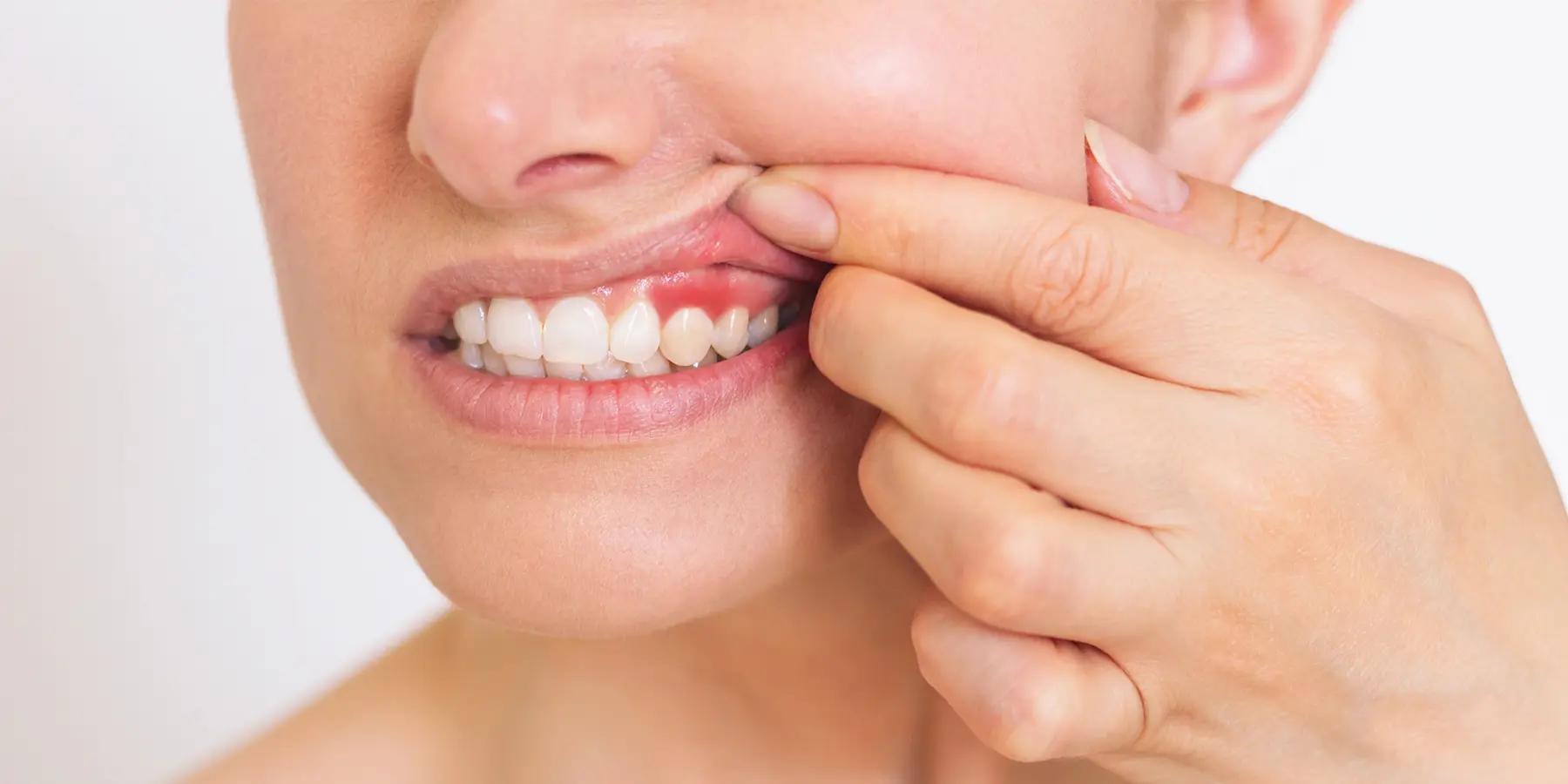
Gingivitis is the earliest stage of gum disease and causes inflammation of the gums without loss of the bone supporting the teeth. It can be reversed with plaque removal and consistent oral hygiene, allowing the gums to return to health.
Periodontitis is a more advanced form of gum disease that damages the tissues and bone supporting the teeth. As the disease progresses, pockets can form between the teeth and gums, allowing bacteria to collect below the gumline.
Unlike gingivitis, bone loss caused by periodontitis is not reversible. However, treatment can control the infection and help limit further damage.
What Are the Symptoms of Gingivitis and Periodontitis?
The symptoms can vary depending on how far gum disease has progressed.
Signs of gingivitis may include:
- Red or swollen gums
- Bleeding when brushing or flossing
- Gum tenderness
- Bad breath
Signs of periodontitis may include:
- Receding gums
- Persistent bleeding
- Deep pockets between the teeth and gums
- Pus around the gumline
- Loose or shifting teeth
- Changes in the way the teeth fit together when biting
Periodontitis does not always cause significant pain, so the severity of gum disease cannot be determined from discomfort alone.
Can Gingivitis Lead to Periodontitis?
Gingivitis can progress to periodontitis when plaque and tartar remain around the teeth and gumline, and inflammation continues. It becomes periodontitis when the inflammation extends below the gumline and begins damaging the tissues and bone that support the teeth.
Not everyone with gingivitis develops periodontitis. Factors such as smoking, diabetes, genetics, and inadequate plaque control can increase the likelihood of gum disease progressing.
At Post Street Dental Group, we evaluate your gums and the tissues that support your teeth to determine how far gum disease has progressed.
How Are Gingivitis and Periodontitis Treated?
The approach depends on the stage and severity of gum disease. Because gingivitis has not yet caused bone loss, it is typically easier to address than periodontitis.
- Gingivitis treatment: A professional dental cleaning removes plaque and tartar from the teeth and along the gumline. Daily brushing and flossing help control plaque and allow the gums to heal.
- Periodontitis treatment: Scaling and root planing may be used to remove plaque and tartar below the gumline and clean the tooth roots. More advanced cases may require periodontal surgery or regenerative procedures, such as bone grafting, depending on the type and extent of tissue and bone loss.
When Should You Have Your Gums Checked?
Bleeding, swelling, persistent bad breath, gum recession, or changes in tooth stability should be evaluated. Treating gum disease at an earlier stage can help prevent gingivitis from progressing and reduce additional damage when periodontitis is already present.
At Post Street Dental Group, we can assess your gum health and determine whether treatment is needed.
To book an appointment at our dental office in San Francisco, call (415) 986-4534 or visit us at 490 Post St #520, San Francisco, CA 94102.
FAQs
There is no set timeline. Progression varies based on plaque buildup, oral hygiene, smoking, health conditions, genetics, and other individual factors.
Gum and bone tissue lost because of periodontitis does not typically return on its own. Depending on the type and extent of damage, certain periodontal procedures may be used to regenerate some lost tissues.
Yes. Advanced periodontitis can destroy enough supporting bone and tissue that teeth become loose and may eventually be lost.